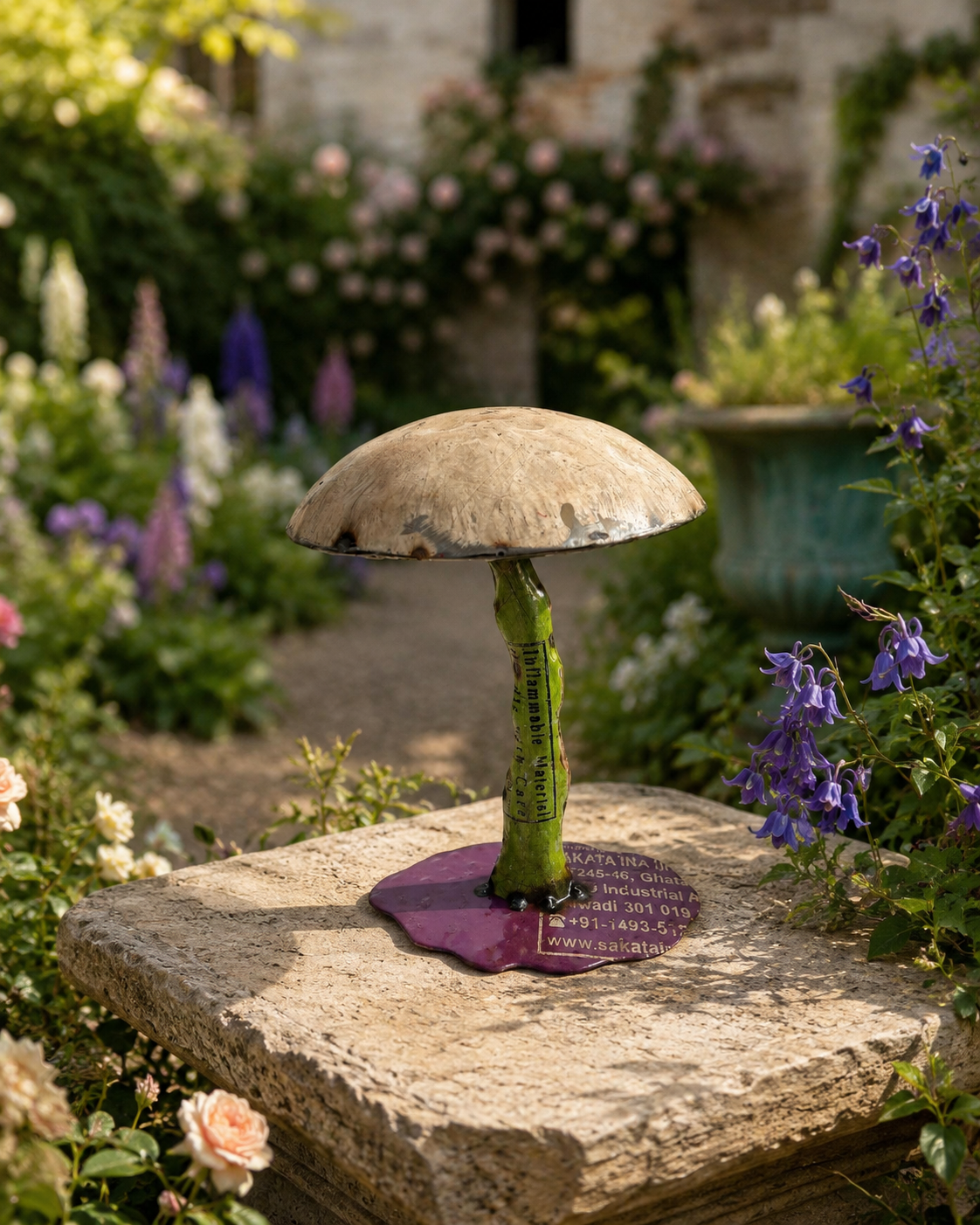
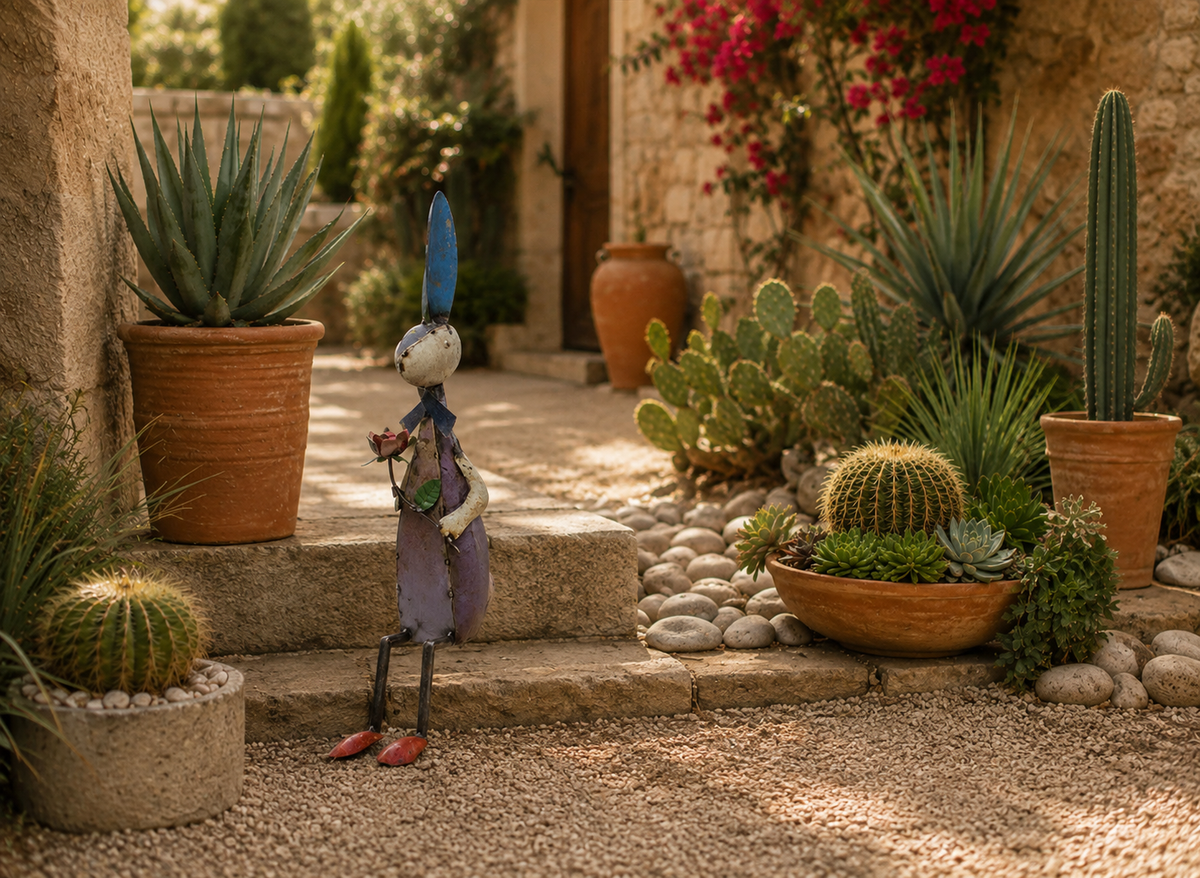
Animal Planter Ideas: 15 Characterful Ways to Style Outdoor Spaces
Animal planters bring together two things people love in a garden: living plants and personality.
A metal bird planter on a patio, rabbit flower pot beside spring bulbs, frog planter near shade foliage or animal-shaped herb container by a kitchen door can make an outdoor space feel more personal. The best animal planters are not simply ornaments. They are healthy, well-planted containers that happen to tell a small visual story.
The key is to treat an animal planter as a real growing environment first and decorative garden character second. It needs enough room for roots, effective drainage, suitable planting and a location that works with sun, rain, wind and everyday use.
TL;DR
- Choose animal planters for drainage, root room and weather suitability before style.
- Use one animal planter or one coordinated cluster per garden zone.
- Small, shallow planters suit compact-rooted plants; larger animal troughs can support fuller displays.
- Place animal flower pots beside planting, paths, patios or porches — not in the middle of walkways.
- Match the animal to the garden story: birds near flowers, rabbits near bulbs, frogs near foliage and roosters near herbs.
- Use fewer, larger planters rather than many unrelated novelty pots.
- Refresh planting seasonally while keeping the planter as a long-term garden companion.
What Are Animal Planters?
Animal planters are plant containers shaped like animals or designed with animal features, such as birds, rabbits, frogs, cats, dogs, cows, elephants, chickens or insects.
They can be:
- True plant pots with drainage holes
- Decorative containers that need an inner nursery pot
- Animal-shaped planter holders
- Metal trough planters with animal silhouettes
- Wall-mounted animal planters
- Planter stakes or hanging containers
- Garden sculptures with a built-in planting cavity
An animal planter should feel like part of the garden, not an object placed on top of it. Healthy foliage, herbs, flowers or trailing plants help the piece feel integrated into the outdoor space.
Animal Planter vs Planter Holder: Know the Difference
Not every animal-shaped container is ready to plant into directly.
| Type | What it is | Best use | What to check |
|---|---|---|---|
| True planter | A container designed to hold potting mix and plants | Patios, gardens, porches and balconies | Drainage holes, root depth and weather rating |
| Cachepot / planter holder | Decorative outer shell that holds a nursery pot | Covered patios and porch displays | Use a removable inner pot; do not let water collect inside |
| Animal trough planter | Longer container shaped like or attached to an animal form | Herbs, annuals, trailing plants and mixed displays | Root room, stability and drainage along the base |
| Wall-mounted animal planter | Animal-themed container fixed to a wall or fence | Small patios, balconies and sheds | Weight, secure mounting and water runoff |
| Mini animal planter | Compact pot for small plants | Tabletops, shelves and small container gardens | Limited root room and faster drying |
The Gardenalia TAIL Method
Use this framework before choosing an animal planter.
| Step | Question | What to consider |
|---|---|---|
| T — Type | Is it a real planter or a decorative holder? | Drainage holes, liner, inner pot and water escape |
| A — Available root room | Can the plant grow comfortably? | Depth, width and mature root size |
| I — Irrigation | How will water enter and leave the container? | Drainage, watering access and moisture retention |
| L — Location | Where will it live? | Sun, shade, rain, frost, wind and foot traffic |
The Fifth-Season Rule
Before buying an animal planter, ask:
- Will I still enjoy this after five seasons?
- Does it have a drainage solution?
- Can I grow something healthy in it?
- Does it suit the scale of the patio, garden or balcony?
- Is it stable in wind and rain?
- Does it add personality without making the space feel crowded?
The Most Important Rule: Drainage Comes Before Decoration
A charming planter without drainage can become a root-rot problem.
Container plants are more dependent on regular care than plants in the ground because their root space is limited. RHS advises that containers need effective drainage, particularly during wetter periods, and notes that roots in pots are more exposed to cold than roots in garden soil.
RHS Chelsea designer Ashleigh Aylett puts the principle simply: anything can work as a planter, as long as it has drainage.
For animal planter pots:
- Choose built-in drainage holes where possible.
- Use an inner nursery pot for decorative animal holders without drainage.
- Avoid letting pots sit in standing water.
- Select a container that matches the plant's mature root needs.
- Use potting mix intended for containers rather than dense garden soil.
15 Animal Planter Ideas for Gardens, Patios and Balconies
1. Place a Metal Bird Planter Beside a Patio Chair
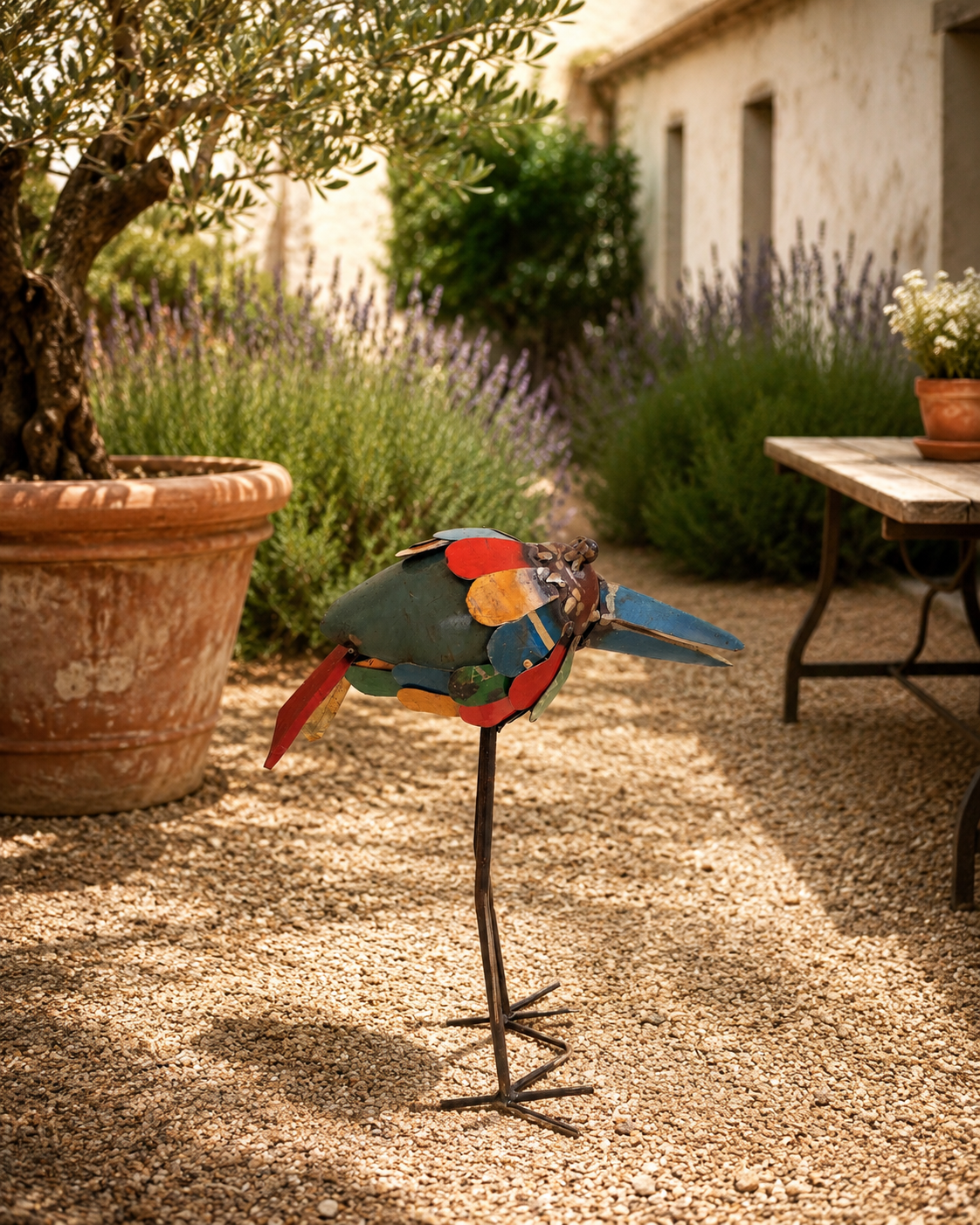
A bird planter works well beside an outdoor chair, bench or dining area because it adds character without requiring extra décor.
Choose foliage, compact flowers or trailing plants that soften the top edge. Keep the planter beside the seating zone rather than in the centre of paving.
Best for: patios, outdoor reading corners and garden rooms.
2. Use Rabbit Planters With Spring Bulbs and Foliage
Rabbit flower pots are an easy way to create a soft spring display without making the garden feel Easter-only.
Use a rabbit planter with bulbs, low flowers or green foliage in spring, then replant it with herbs, grasses or foliage-led plants for the rest of the year.
Best for: front porches, entry gardens and cottage-style borders.
3. Create a Frog Planter for a Shade-Loving Corner
Frog planters look especially natural near ferns, leafy foliage, mossy stone or shade-tolerant planting.
Keep the frog planter near a shaded border, water bowl or sheltered patio edge. Avoid placing it alone on bare paving.
Best for: shaded patios, woodland gardens and garden corners.
4. Grow Herbs in a Rooster, Cow or Chicken Planter
Farm-animal planters suit herb gardens because they create a useful, farmhouse-style story.
Use compact herbs such as thyme, parsley, chives or small-leaved varieties suited to the available light. Keep the planter close to a kitchen door, patio dining area or potting bench.
Best for: kitchen gardens, herb corners and patio dining spaces.
5. Add a Cat Planter to a Sheltered Porch
Cat-shaped planters can bring warmth to an entrance, especially when paired with foliage rather than overly colourful mixed planting.
Use one substantial cat planter beside a front-door pot, bench or lantern. Keep steps, door swings and access routes clear.
Best for: front porches, covered patios and housewarming gifts.
6. Use an Elephant Planter for Bold Foliage
An elephant planter can support lush-looking foliage in a tropical, modern or playful outdoor setting.
Choose plants that suit the actual light and container size. Let the foliage become part of the silhouette rather than overcrowding the planter with multiple unrelated accessories.
Best for: sheltered patios, courtyard gardens and statement planter displays.
7. Build a Three-Planter Animal Story
A small group can work when every planter belongs to one visual family.
Try:
- One larger animal planter
- One plain supporting pot in a matching material
- One smaller companion planter
Use related colours, metal finishes or planting textures. Avoid combining several different animal species, materials and colours in one tight space.
Best for: patios, porches and garden corners.
8. Use a Bird Planter in a Pollinator-Style Display
A decorative bird planter can sit near flowering containers, herbs and pollinator-friendly planting.
The bird adds visual interest; the plants create the living value. Choose regionally suitable flowers and foliage based on local conditions rather than copying a planting recipe from another climate.
Best for: sunny patios, flower borders and balcony planters.
9. Create a Balcony Animal-Planter Collection
Balconies benefit from compact, lightweight animal planters that do not consume valuable floor area.
Use one animal planter on the floor or shelf, then build height with a vertical plant stand, railing planter or wall-mounted feature. Secure every item carefully in exposed conditions.
RHS Chelsea's 2026 Transient Garden demonstrates how modular, lightweight containers and vertical structures can create greenery and interest in compact spaces without overwhelming them.
Best for: apartment balconies, terraces and rental-friendly outdoor spaces.
10. Add an Animal Planter to a Potting Bench
A small animal plant pot can become a companion detail on a potting bench or garden shelf.
Use it with herbs, compact foliage or seasonal flowers. Keep the surrounding area functional enough for tools, watering and repotting.
Best for: garden sheds, greenhouse entrances and covered patios.
11. Use an Animal Trough Planter Along a Fence
Longer animal-shaped troughs can create a focal point along a fence, wall or patio boundary.
Plant with one clear palette: herbs, foliage, trailing plants or seasonal flowers. Avoid lining every wall with decorative containers; one well-positioned planter is more effective.
Best for: fence lines, garden sheds and narrow patios.
12. Place an Animal Planter at the End of a Garden Path
A larger animal planter can work as a path-end focal point.
Use a clear silhouette and planting with height, body and soft trailing edges. Keep the surrounding planting quieter so the container remains easy to notice.
RHS Chelsea designers recommend using different planter heights for layered depth and choosing a few substantial pots rather than many small ones.
Best for: side gardens, garden paths and courtyard routes.
13. Make One Animal Planter the Centre of a Child-Friendly Garden Zone
Animal planters can add playfulness to a family garden without requiring a fully themed space.
Use one sturdy planter near planting, stepping stones or a low seating area. Keep it stable, free from sharp edges and outside active running routes.
Best for: family gardens, outdoor play corners and shared patios.
14. Use a Small Animal Planter as a Tabletop Garden
Mini animal planters can work on a protected outdoor table, shelf or windowsill-like ledge.
Use compact foliage, small succulents where climate-suitable, or seasonal flowers that match the planter's available root room. Bring delicate materials indoors during severe weather where needed.
Best for: covered porches, balcony tables and garden-room shelves.
15. Add One Character Accent to a Larger Plain Planter
You do not need every planter to be animal-shaped.
A large, simple outdoor planter can become more personal with one small animal planter beside it. This creates a more layered, collected look while keeping the main planting display mature and calm.
Best for: modern patios, entryways and outdoor seating areas.
Animal Planters by Outdoor Space
| Space | Best animal-planter direction | Avoid |
|---|---|---|
| Front porch | One animal planter beside a substantial container | Blocking steps or door swings |
| Patio | One statement animal planter or grouped display | Scattering small novelty pots around furniture |
| Balcony | Lightweight or vertical-friendly animal planters | Heavy, unstable containers and overcrowding |
| Garden path | Medium focal planter at a path turn or endpoint | Narrowing the route |
| Kitchen garden | Farm-animal herb planter | Obstructing harvesting or watering access |
| Shade border | Frog, owl or woodland-animal planter with foliage | Sun-loving planting that will struggle |
| Child-friendly garden | Stable, rounded, simple animal planter | Fragile ceramic in busy play routes |
Which Plants Suit Animal-Shaped Planters?
The right plant depends on the planter's depth, drainage, exposure and available root room.
| Planter type | Better planting direction |
|---|---|
| Small animal pot | Compact foliage, small herbs or small-rooted seasonal plants |
| Shallow trough | Low flowers, trailing plants, herbs and groundcover-style planting |
| Medium animal planter | Mixed foliage, flowers or a simple herb display |
| Large animal trough | Fuller combinations, compact shrubs or structured seasonal planting |
| Balcony animal planter | Wind-tolerant, compact plants suited to the site |
| Shade animal planter | Foliage-led planting selected for low-light conditions |
Container plants need regular watering because roots are restricted, and their nutrient supply can reduce over time. RHS notes that larger pots and plants are generally easier to care for than small ones, while UMN Extension advises that watering frequency can increase sharply with heat and pot size.
Animal Planter Materials Compared
| Material | Best qualities | Best setting | Care considerations |
|---|---|---|---|
| Metal | Strong silhouette, handmade character and outdoor appeal | Patios, herb gardens and fences | Check coating, drainage, heat exposure and potential runoff |
| Powder-coated metal | Brighter, cleaner, modern finish | Balconies, porches and patios | Inspect regularly for chips and scratches |
| Ceramic | Handmade colour and detail | Covered porches and sheltered patios | Confirm frost tolerance and drainage |
| Stone or cast stone | Grounded, durable-looking and substantial | Paths, borders and garden entrances | Ensure stable placement due to weight |
| Resin or composite | Lightweight and versatile | Balconies, terraces and movable displays | Check UV suitability and wind stability |
| Reclaimed metal | Character-rich and one-of-a-kind | Rustic gardens and potting areas | Check joins, edges and weather resistance |
| Timber | Warm, natural and story-led | Covered spaces and herb planters | Inspect for moisture damage and lining wear |
How to Make Animal Planters Look Intentional
Use One Animal Story Per Zone
Keep the visual narrative simple.
- Birds near flowers and light foliage
- Rabbits beside bulbs, herbs or cottage planting
- Frogs near shade foliage or water bowls
- Roosters and cows near herbs and kitchen gardens
- Cats and dogs near porches or entryways
- Woodland animals near ferns, bark and stones
Give the Planter a Natural Backdrop
Animal planters look stronger beside living planting, stone, gravel, timber or a wall than alone in the centre of paving.
A dark metal bird planter can stand out against pale flowers. A rabbit planter may suit green foliage and terracotta. A frog planter can feel grounded among ferns and textured leaves.
Leave Breathing Space
One playful planter needs room around it.
Avoid adding extra lanterns, figurines, signs and unrelated pots in the same small area. The planting should be the main visual layer; the animal form should be the memorable detail.
Expert Insight: Fewer, Larger Pots Create More Impact
RHS Chelsea designer Hamzah-Adam Desai advises choosing a few large statement pots rather than lots of small ones.
This principle is especially useful for animal planters. One well-made animal trough or decorative flower pot can feel thoughtful. Ten tiny novelty pots can make a patio look busy and create a heavier watering workload.
Case Study: Flexible Container Styling in a Compact Space
The RHS Chelsea 2026 Transient Garden used modular, lightweight elements, container planting and vertical structures to make a compact balcony feel green, adaptable and functional.
The lesson for animal planter styling is transferable:
- Use one movable animal planter as the character piece.
- Add plain supporting planters in related finishes.
- Create height through a stand, trellis or wall feature.
- Keep enough open floor area for comfort and circulation.
- Reconfigure the display seasonally rather than buying more containers.
Outdoor-Planter Context
Houzz's 2026 U.S. outdoor-renovation research found that 40% of surveyed renovating homeowners added planters, while 62% added beds or borders and 38% upgraded patios or terraces. It is U.S. renovation context rather than a global consumer statistic, but it reinforces that planters work best as part of a broader garden or outdoor-living composition.
Animal Planter Care Checklist
- Confirm drainage holes or use a removable inner pot.
- Water according to weather, plant type and container size.
- Avoid allowing roots to sit in water.
- Use container potting mix rather than heavy garden soil.
- Check stability after strong wind or heavy rain.
- Inspect painted metal, ceramic and resin surfaces seasonally.
- Protect frost-sensitive materials during severe weather.
- Feed container plants as appropriate for their needs.
- Refresh potting mix or repot when roots become crowded.
- Keep planter displays clear of paths, steps and doorways.
Common Animal Planter Mistakes
Choosing Style Before Root Room
A small decorative animal pot may be too shallow for the plant you want to grow. Select the plant after checking the inner planting cavity.
Planting Directly Into a Container Without Drainage
If the animal planter has no drainage hole, use it as a decorative holder around a nursery pot instead.
Overcrowding a Patio With Novelty Pots
Use one main animal planter, then support it with plain containers or planting. Avoid buying a different animal pot for every available surface.
Ignoring Wind and Weight on Balconies
Choose lightweight but stable containers, follow building rules and secure wall or railing pieces appropriately.
Forgetting the Winter View
Choose animal planters with a good silhouette, finish or form that still looks attractive when seasonal flowers fade.